

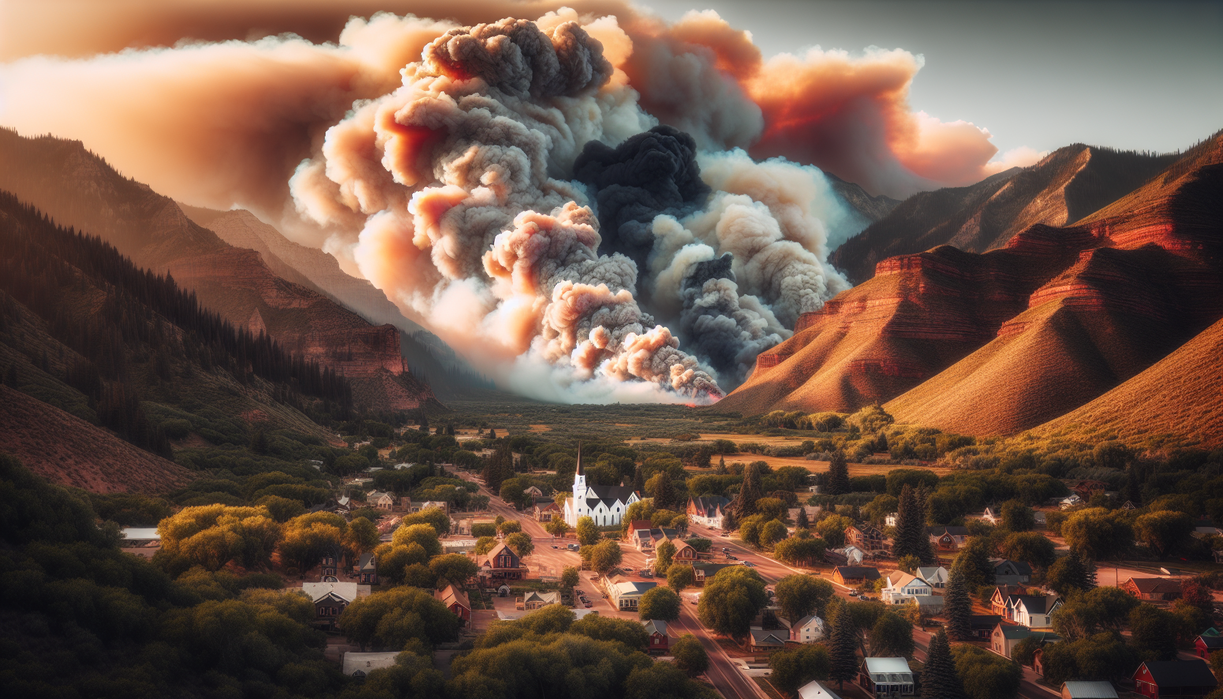
crssblog.com – The west just endured a brutal wake‑up call. Utah’s 2025 wildfire season burned more ground than the previous three years combined, turning hillsides to ash and pushing firefighting crews to their limits. Smoke stained the skies over cities, rural towns felt trapped by flames, and entire watersheds suffered damage that will linger for years. Residents across the west now face a troubling question: was 2025 a terrifying outlier, or a preview of a new normal?
Experts across the west are already watching 2026 like a hawk. Snowpack levels, fuel loads, long‑term drought, and stubborn heat patterns could all tip the scales toward another devastating year. Utah’s experience offers a stark lens on what the west may face next. It also reveals how much depends on choices made right now, during cooler months, long before the first plume of smoke appears.
How 2025 Became a Wildfire Tipping Point
Utah’s 2025 fire season did not explode out of nowhere. The west has spent decades stacking the deck toward larger, more intense burns. Long, hot summers dried out vegetation, past fire suppression left dense fuel, and sprawling development pushed more homes into high‑risk zones. What made 2025 stand out was the scale of burned acreage and the speed of many individual fires. Conditions aligned so perfectly for combustion that even small sparks quickly became serious threats.
Several ingredients converged across the west. Winter snowpack arrived late, then melted early under persistent warmth. Spring rains came unevenly, feeding a temporary green flush of grasses and shrubs. By midsummer, this growth cured into crisp tinder. Gusty winds, occasional dry lightning, and human activity completed the recipe. Utah saw more large fires, each burning hotter, moving faster, and resisting standard containment strategies.
Those numbers tell only part of the story. Beyond acres burned, the west absorbed heavier economic and emotional damage. Homes were destroyed, rangelands degraded, and tourism disrupted by weeks of hazardous smoke. Some communities saw repeated evacuations, leaving residents exhausted and wary of every red sunset. Utah’s 2025 season became a case study for climate‑stressed landscapes, where past patterns no longer predict future risk.
What the West Should Watch for 2026
Forecasting wildfire risk never amounts to simple guesswork. Specialists across the west focus on four big drivers: fuel, moisture, heat, and ignition. Fuel describes grasses, shrubs, forests, and even abandoned fields. Moisture reflects soil conditions and live plant water content. Heat shapes how quickly fuels dry out. Ignitions arise from both nature and people. None of these factors act alone, yet together they sketch a rough wildfire outlook months before summer.
For 2026, one critical question centers on how much of the west’s landscape still holds unburned fuel after several active years. Utah’s 2025 season removed large blocks of vegetation, yet many surrounding areas remain overly dense. A wet winter followed by rapid drying could rebuild risk by boosting grass growth, especially at lower elevations. Conversely, a dry winter would keep fuels dry but might limit new growth. Either path influences fire behavior in complex ways.
My view: residents across the west should prepare for volatility rather than bet on a quiet year. Climate trends show longer fire seasons, higher average temperatures, and more days with low humidity. Even if 2026 does not match Utah’s 2025 extremes, the floor of risk has risen. Communities that only plan for past conditions may find themselves outmatched by a single wind‑driven blaze. Planning must reflect the new baseline, not nostalgic memory.
Living With Fire: A New Social Contract for the West
The west cannot simply hope wildfires revert to polite, predictable events. Fire has always shaped these landscapes, yet climate shifts and human expansion have twisted that relationship into something far more dangerous. Moving forward, the region needs a new social contract with fire. That means accepting prescribed burns near towns, redesigning neighborhoods to reduce ember exposure, and rethinking how we rebuild after disasters. It also demands personal responsibility: smarter recreation, fewer risky burns on windy days, and readiness for evacuation before flames appear on the ridge. Utah’s 2025 season delivered a harsh lesson, but it also offered an opening. If the west chooses to learn from it, future years may still hold smoke and loss, yet perhaps fewer headlines that describe each season as “insane.” Reflection today could mean resilience tomorrow.