

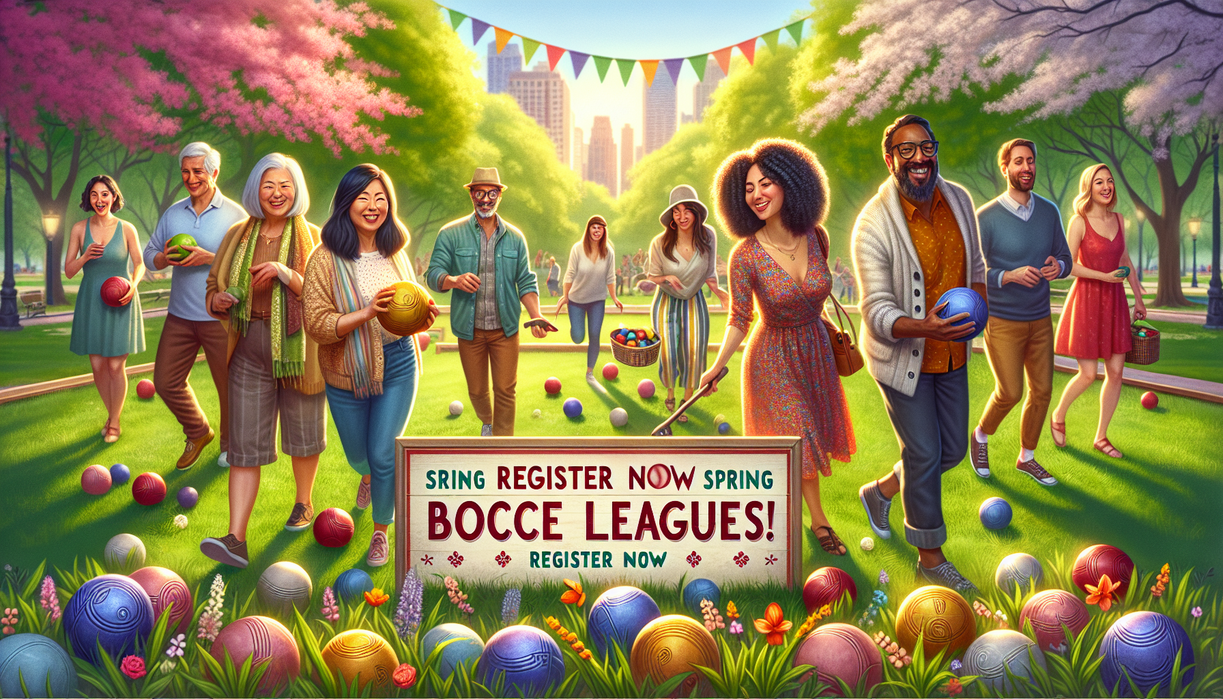
crssblog.com – When people talk about building community, they often miss the practical context where real friendships form: shared activity. Rapid City’s Spring Bocce Leagues offer exactly that context, a place where neighbors laugh, compete, learn, and reconnect after a long prairie winter. Beyond sunny afternoons and friendly rivalries, these leagues create a social framework that gives weekly rhythm, purpose, and connection to anyone willing to roll a ball down a court.
Registration is now open through Rapid City Parks and Recreation, inviting newcomers and seasoned players into a lively social context that blends accessible sport with genuine human contact. Inside this context of low-pressure competition, strangers become teammates, local stories travel from one end of the court to the other, and a simple game turns into a shared neighborhood ritual.
The Context Behind Rapid City’s Bocce Revival
Bocce carries centuries of history, yet its modern context in Rapid City feels fresh and approachable. You do not need expensive gear, elite training, or peak fitness to participate. The only real requirements are curiosity and a willingness to engage with others. Within this context, skill develops gradually while confidence rises with every throw. That mix of accessibility and subtle strategy explains why bocce thrives as a league sport.
Spring in Rapid City brings shifting weather and renewed energy, creating the perfect context for outdoor leagues. Cabin fever fades as residents look for excuses to leave the house and reconnect with the wider community. Organized bocce leagues provide a reliable calendar anchor. Week after week, players return to a familiar context where faces become recognizable, conversations deepen, and local connections grow.
Parks and Recreation staff add their own structure to this context. They manage registration, maintain courts, and shape schedules so that games feel fair and consistent. Their behind-the-scenes planning transforms a simple patch of land into a social context where respect, sportsmanship, and playful rivalry coexist. That guiding framework supports everyone, especially newcomers who might otherwise feel uncertain about joining a public league.
Why Context Matters More Than Competition
On paper, a bocce league looks like pure competition. Teams sign up, standings change weekly, and someone eventually wins a title. Yet the deeper value comes from the context surrounding those matches. Players show up not only to chase points but to enjoy time outside, swap stories, and decompress from work or school. The court becomes a context where life slows down enough for real conversations.
This context especially benefits residents who feel disconnected from traditional sports. Maybe full-contact games seem intimidating, or fast-paced leagues feel overwhelming. Bocce offers a gentle alternative. Within this inclusive context, people across ages, backgrounds, and abilities share the same space. Grandparents can play beside young professionals, longtime locals, and recent arrivals. That combination creates a rare context where generational and cultural gaps close naturally.
Personally, I see bocce as a test case for how context shapes behavior. In a stressful environment, even friendly people act guarded. Shift the context to a relaxed park setting with clear rules and visible courtesy, and those same people open up. They cheer for opponents’ good shots, laugh at their own mistakes, and linger after games for one more conversation. The sport stays the same, yet the context transforms the experience into something memorable.
Using Context to Shape Your Own Bocce Experience
If you decide to register for Rapid City’s Spring Bocce Leagues, think intentionally about the context you want to create. Invite a mix of friends, coworkers, or family members who would not normally share a hobby, then treat each match as a standing social date. Arrive early to warm up and chat, stay a little longer to congratulate other teams, and use the weekly league as a context for trying nearby cafés or walks after games. Over a season, the court stops feeling like just a playing surface and starts to represent a wider context of shared memories, small victories, and new relationships. In that sense, signing up is less about sport and more about curating the social context you want in your own life.