

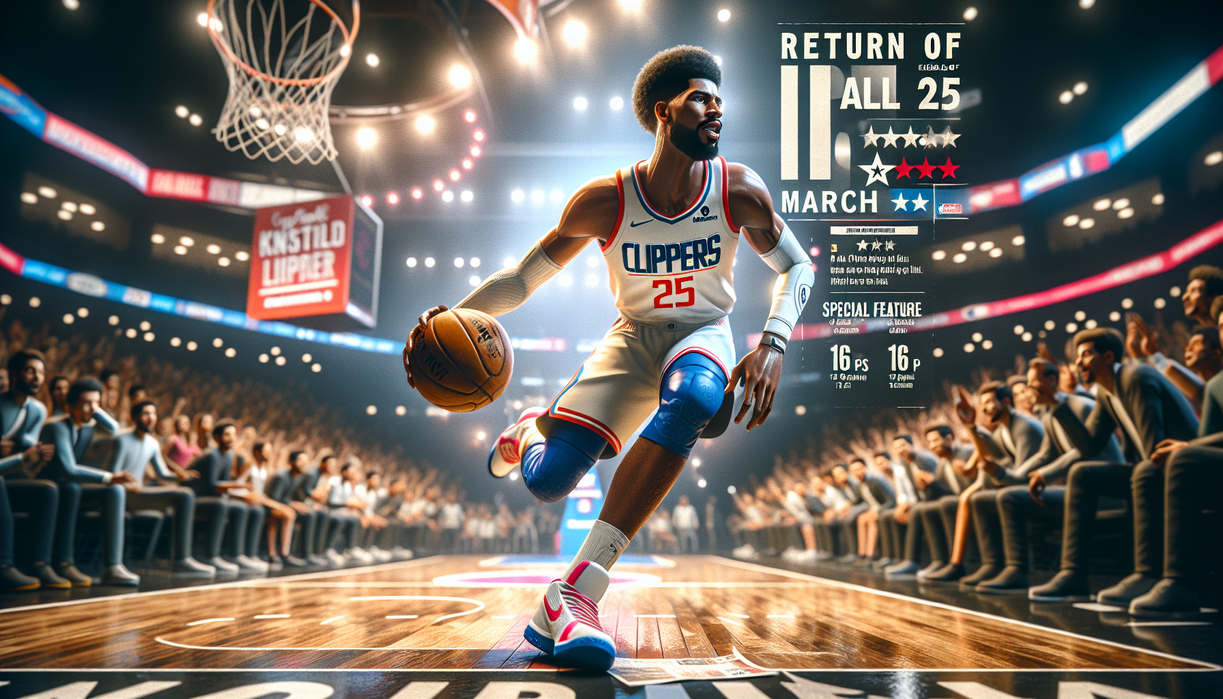
crssblog.com – The NBA delivered a jolt to the sports community by suspending Philadelphia 76ers star Paul George for 25 games for violating the league’s anti-drug program. The decision instantly reshapes expectations for the Sixers’ season, raises fresh questions about policy enforcement, and revives long-running debates over how sports organizations balance discipline, rehabilitation, and public image.
George, a nine-time All-Star and former Knight High and Clippers standout, has averaged roughly 16 points for Philadelphia this season. His absence until March 25 pulls one of the franchise’s key veteran anchors off the court during a vital stretch. Sports observers now wonder how this suspension will alter the Sixers’ trajectory and what it reveals about the evolving ethics of modern professional sports.
Sports, Reputation, and the Weight of a 25-Game Suspension
A 25-game suspension in professional sports is never a routine penalty. For Paul George, it means missing roughly a third of the regular season, millions in lost salary, and a significant hit to his reputation. For the 76ers, it changes nightly rotations, scoring options, and locker room dynamics. The organization must now navigate both tactical adjustments on the court and narrative fallout away from the arena.
Sports franchises rely on stars not only for points but for stability. George has long been viewed as a polished veteran, a player who brings composure to high-pressure moments. When someone with that image is disciplined for an anti-drug violation, it shakes public assumptions about how cleanly professional sports operate. Fans are forced to confront the gap between polished branding and messy reality.
There is also a broader message embedded in a suspension of this length. The NBA appears intent on demonstrating that its anti-drug framework is more than a formality. In a sports landscape where leagues often face accusations of selective enforcement, handing down a clear, impactful punishment to a marquee name signals that status alone will not guarantee leniency.
The 76ers’ Sports Puzzle Without Paul George
On the floor, the 76ers lose a versatile wing who can score, defend multiple positions, and serve as a secondary playmaker. That creates a complex sports puzzle for the coaching staff. Younger players may see expanded minutes, veterans may absorb larger roles, and lineups might tilt more heavily toward either defense or offense, instead of the balance George usually provides.
In high-level sports, continuity matters nearly as much as talent. A 25-game gap disrupts rhythm, chemistry, and timing. Teammates must adjust to different passing patterns, new spacing, and changed play calls. If the Sixers discover successful combinations during George’s absence, reintegrating him on March 25 could itself become another delicate transition for the coaching staff to manage.
From a sports psychology perspective, the effect can be subtle but deep. Locker rooms thrive on trust. When a prominent figure steps away due to a policy violation, even inadvertently, teammates must reconcile their loyalty with disappointment. Strong organizations turn such moments into shared resolve. Weak ones fracture under the strain. How the 76ers respond could define their season as much as any box score line.
What This Means for Fans and the Future of Sports Culture
Fans who love sports often want two conflicting things: dazzling performances and spotless heroes. The Paul George suspension shows how hard it is to maintain that illusion. Elite sports will always push bodies and minds to extremes, which raises questions about substances, recovery methods, and personal choices. My view is that leagues need transparent rules, consistent enforcement, and genuine support systems, not just public punishment. When George returns on March 25, it should not only mark a sports comeback, but also invite reflection on accountability, second chances, and how we as a sports culture choose to judge, forgive, and move forward.