

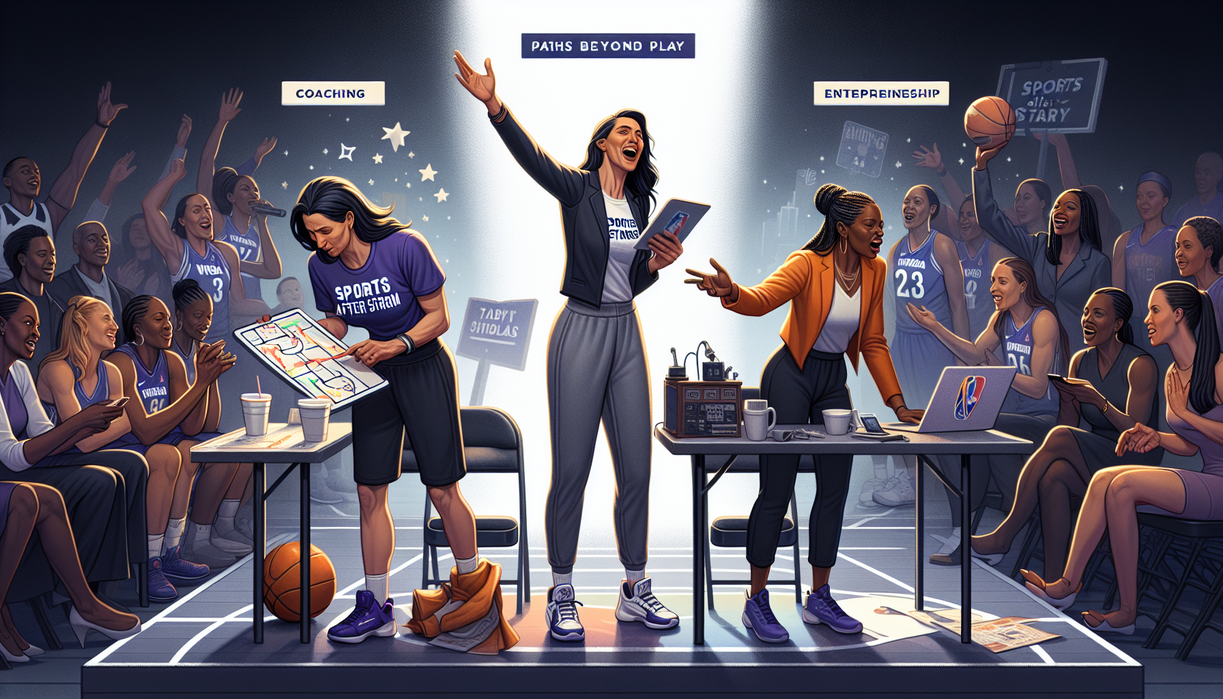
crssblog.com – Sports careers rarely follow a straight line, especially for WNBA players who often juggle short seasons, overseas contracts, plus second jobs. When the final buzzer sounds on a pro career, many of these women reinvent themselves, using lessons from sports to build futures that look nothing like game nights in packed arenas. From the court to coastal waters, their journeys reveal how competitive drive can thrive far from the spotlight.
The story of former WNBA athletes diving into the oyster business, coaching, media, or tech proves sports can be a launchpad rather than a finish line. Their transformations raise a powerful question for every fan: what happens when the roar of the crowd fades, but the hunger to compete, create, and contribute remains loud as ever?
From Sports Arenas to Saltwater Farms
Retirement rarely means silence for elite competitors. Many ex-WNBA players pivot from sports to entrepreneurship, treating business like a new season with higher stakes. Oyster farms along the coast, for example, demand discipline, patience, plus respect for nature’s clock. Former athletes bring a training mindset to early mornings on the water, meticulous tracking of tides, along with the constant pursuit of marginal gains. The same focus once used to fine-tune a jump shot now helps refine oyster quality, branding, and customer experience.
Sports shaped their approach to risk as well. Most WNBA veterans never enjoyed the financial cushion seen in many men’s leagues. So post-sports life requires creativity. Some partner with coastal communities to revive local economies through sustainable aquaculture. Others blend culinary education, tourism, and environmental advocacy. Instead of chasing points, they now pursue healthy reefs, thriving small businesses, and better food systems.
From a personal perspective, I see those choices as a quiet revolution inside sports culture. Fans often imagine ex-players restricted to commentary booths or coaching benches. Watching them trade sneakers for waders challenges that narrow vision. It reinforces a key lesson: sports skills travel. Leadership translates to hiring and managing crews. Film-study habits echo in market research and logistics. Even locker room chemistry informs how they build trust with restaurant owners, distributors, and local residents.
How Sports Skills Fuel Second Careers
Look closely at what sustains a WNBA career, and a toolkit for life appears. Time management develops early due to overlapping commitments to college, overseas leagues, plus summer seasons. That discipline carries into post-sports ventures. Oyster farmers track spawning cycles like game schedules. Media personalities plan content calendars the way coaches plot scouting reports. These women learned how to prepare, execute, then adjust under pressure long before they filed incorporation papers or signed their first commercial lease.
Sports also cultivate resilience. Long bus rides, uneven pay, limited facilities, and constant evaluation would crush many people. Instead, they toughened these athletes, who later meet bureaucratic red tape, supply chain chaos, or sudden storms with that same grit. When a crop fails or a business partnership collapses, they recognize the feeling from playoff losses. They already know how recovery works: review what went wrong, own mistakes, tweak the game plan, move forward.
From my view, this is where sports still feel present, even when no scoreboard exists. The mindset outlives the jersey. Many former players publicly share missteps from their new ventures, turning failure into a teaching tool for younger athletes. Their openness helps dismantle the myth of effortless success after sports. It reminds us progress looks messy yet meaningful, filled with detours that test identity as deeply as any championship run.
Redefining Success Beyond Sports
Ultimately, the shift from sports arenas to oyster beds or other unexpected fields invites a broader definition of winning. Championships stay sacred, yet they become chapters rather than the entire story. Success turns into a mosaic: economic independence, environmental stewardship, community impact, plus personal growth. For fans, those journeys offer more than nostalgia; they model how to reinvent ourselves when one chapter closes. The women of the WNBA show that a sports career can be both pinnacle and springboard, proving our most meaningful victories may surface long after the final game, sometimes rising quietly from brackish water along a forgotten stretch of coast.