

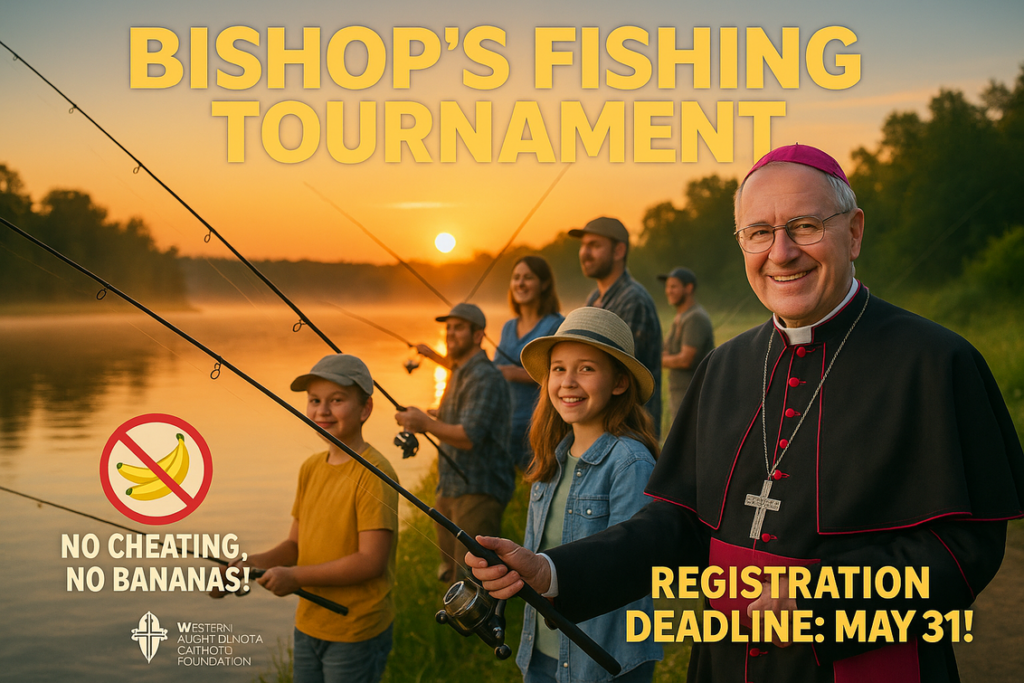
crssblog.com – Context matters everywhere, even on a quiet lake at sunrise. That is the spirit behind the Bishop’s Fishing Tournament, where faith, fun, and fair play share the same boat. This year’s event arrives with clear rules, a friendly vibe, and even a playful ban on bananas, all wrapped in a meaningful context of community support.
Organized once again by the Western South Dakota Catholic Foundation, the tournament mixes wholesome competition with a deeper mission. Anglers register before the May 31 deadline, not only to chase the biggest catch, but also to help cast hope into the wider context of regional ministries, charity work, and long-term support for people in need.
Setting the Context: More Than Just a Fishing Trip
Understanding context turns a simple outing into a story worth telling. At first glance, the Bishop’s Fishing Tournament may look like any other local competition. Boats line the shore, tackle boxes click open, and early risers scan the water for promising ripples. Yet the true context reaches beyond bait choices or weather forecasts. It grows from a faith-driven community eager to gather, laugh, and give together.
This tournament stands at the intersection of recreation and service. Participants enjoy the buzz of competition, but they also know their entry fees and donations support the Western South Dakota Catholic Foundation’s wider mission. Context gives every cast a second meaning. The splash of a lure hints at scholarships, parish programs, outreach to the vulnerable, and future projects anchored in compassion.
When I look at this event, I see more than a date on the calendar. I see context as a quiet current running below the surface. People sign up for a day of fishing, yet they step into a shared narrative of generosity. That narrative makes the rules, the goofy banana superstition, and the May 31 registration deadline feel like parts of a bigger story about who this community wants to be.
No Cheating, No Bananas: Rules With Deeper Context
The most quoted rules offer a perfect glimpse into that story: no cheating, no bananas. On paper, these lines look simple, even humorous. In context, they signal something larger about trust, tradition, and belonging. “No cheating” asserts that character matters more than a trophy. The rule affirms that honesty is part of the spiritual DNA of the gathering, not just a guideline for one weekend.
Then there is the “no bananas” rule, rooted in old fishing lore that calls bananas bad luck on a boat. Some view it as superstition, others as a joke. Yet within this tournament’s context, it becomes an icebreaker. It sparks smiles at the registration table and inside family conversations. People tease one another as they unload coolers and gear, checking pockets for rogue pieces of fruit. The rule turns awkward small talk into easy laughter.
From my perspective, these rules highlight how context shapes meaning. Banning bananas would feel odd at a business conference. Inside a regional fishing event sponsored by a faith-based foundation, it works as playful glue. It reminds participants this is not a sterile competition, but a living tradition where humor coexists with reverence, and where integrity is expected even when the stakes stay small.
The Foundation’s Role in the Larger Context
The Western South Dakota Catholic Foundation brings crucial context to this tournament by connecting rods, reels, and outboard motors to enduring work across the region. When anglers sign up before May 31, they step into a bigger project that outlasts a single weekend. The foundation channels proceeds into long-term support for parishes, education, and charitable outreach. That means each registration helps keep doors open at rural churches, underwrites youth formation, and strengthens safety nets for people facing hardship. In my view, this link between a seasonal tournament and year-round ministry shows how context can convert recreation into mission: the lake becomes a temporary stage where generosity and joy cast ripples far beyond the shoreline.
The Countdown to May 31: Timing as Context
The registration deadline of May 31 functions as more than a bureaucratic detail. Date and timing create context for how people prepare mentally and spiritually for the tournament. As the deadline approaches, families weigh budgets, compare schedules, and decide whether to join again or maybe participate for the first time. That discernment mirrors the broader choices they make about where to invest time, talent, and treasure.
In this sense, the days leading up to May 31 become part of the story. Clergy mention the event in parish bulletins. Volunteers talk about it after Mass. Parents discuss logistics with their kids, picturing life jackets, sunblock, and sandwiches. All of that planning forms a context of anticipation. The tournament begins long before the first cast; it starts when someone marks the date, fills out the form, and says yes to this shared experience.
Personally, I find that timing gives the event a reflective dimension. A clear deadline pushes people to decide what kind of context they want for their early summer. Do they want a weekend absorbed by screens, or a sunrise where phones stay stowed and conversation flows with the current? The Bishop’s Fishing Tournament offers a structured, values-based alternative. The May 31 cutoff helps crystallize that choice, then transforms a single date on the calendar into a turning point toward community and purpose.
Community, Context, and the Culture of the Lake
Every lake cultivates its own unwritten culture: quiet greetings across the water, shared respect for space, collective attention to safety. This tournament layers another cultural script on top. Context here includes faith-filled traditions, generational storytelling, and the subtle etiquette of volunteering. You see it when experienced anglers help beginners untangle a line, or when families share snacks with a neighboring boat that forgot half its supplies.
The social context also counters isolation. Rural regions can leave people spread thin over long distances. A tournament weekend collapses that distance for a while. Old friends catch up at the dock. New friendships form over shared mishaps, like the fish that snapped a line right near the net. The foundation’s presence keeps these relationships oriented toward service, not just shared hobby. The lake turns into a temporary parish without walls.
My own reading of this culture is that it gently teaches a way of being. Children watch adults honor rules, pick up stray trash, respect wildlife, and offer help without grandstanding. The context of the tournament therefore acts like a living catechism on the water. It shows that faith is not confined to pews; it can shape how people navigate a boat, handle competition, and react when the big one gets away.
Reflecting on Context: Why This Tournament Matters
In the end, the Bishop’s Fishing Tournament invites everyone to notice context as carefully as they study the shoreline. On its surface, it is about boats, rods, and the gentle tug of a fish. Beneath that surface, context reveals a story about trust, humor, generosity, and shared faith. The Western South Dakota Catholic Foundation weaves all those threads into a weekend that funds quiet miracles across the region. Rules like “no cheating, no bananas” become symbols of a deeper identity, where integrity and lighthearted tradition stand side by side. As the May 31 deadline approaches, the real question is not just who will register, but who wants to live in this kind of context—one where a single day on the lake can echo throughout a year of service, gratitude, and renewed community.